Discovering Boston’s Black Heritage Trail: A Powerful Walk Through Beacon Hill History

Jan 4
3 min read
Updated: Jan 11
When most people think about walking tours in Boston, the Freedom Trail usually comes to mind. But tucked into the historic streets of Beacon Hill is another must-do experience—one that tells a deeper, often overlooked story of courage, community, and activism. The Black Heritage Trail shines a spotlight on Boston’s 19th-century African American community and their critical role in shaping the city and the nation.
Whether you’re a first-time visitor, a history lover, or exploring Boston with your family, this trail offers a meaningful and eye-opening way to experience the city on foot.
What Is the Black Heritage Trail?
The Black Heritage Trail is a 1.6-mile walking trail through Beacon Hill that connects more than a dozen historic sites tied to Boston’s free Black community before the Civil War. The trail is part of the Boston African American National Historic Site, managed by the National Park Service in partnership with the Museum of African American History.
This neighborhood was once home to a thriving community of African American abolitionists, educators, entrepreneurs, and activists who worked tirelessly for equality, education, and freedom—often at great personal risk.
Why the Black Heritage Trail Matters
Walking the Black Heritage Trail brings Boston’s abolitionist history to life in a very personal way. These are not just monuments or plaques; they are real homes, schools, and churches where people lived, organized, taught, and helped others escape slavery through the Underground Railroad.
The trail tells the story of free Black families building community and opportunity, grassroots activism against slavery, early fights for public education and civil rights, and Boston’s central role in the national abolitionist movement. It adds essential context to Boston’s history and complements the stories told along the Freedom Trail.
Key Stops Along the Trail

African Meeting House
Built in 1806, this is the oldest surviving Black church in the United States. It served as a church, school, and political meeting space where abolitionists gathered and organized. Today, it remains one of the most powerful stops on the trail. Visit the African Meeting House and the Abiel Smith School on the Museum of African American History Boston Campus.

Abiel Smith School
This was the first public school built specifically for Black children in the United States. Education was a cornerstone of the community, and this building represents the long fight for equal access to schooling.
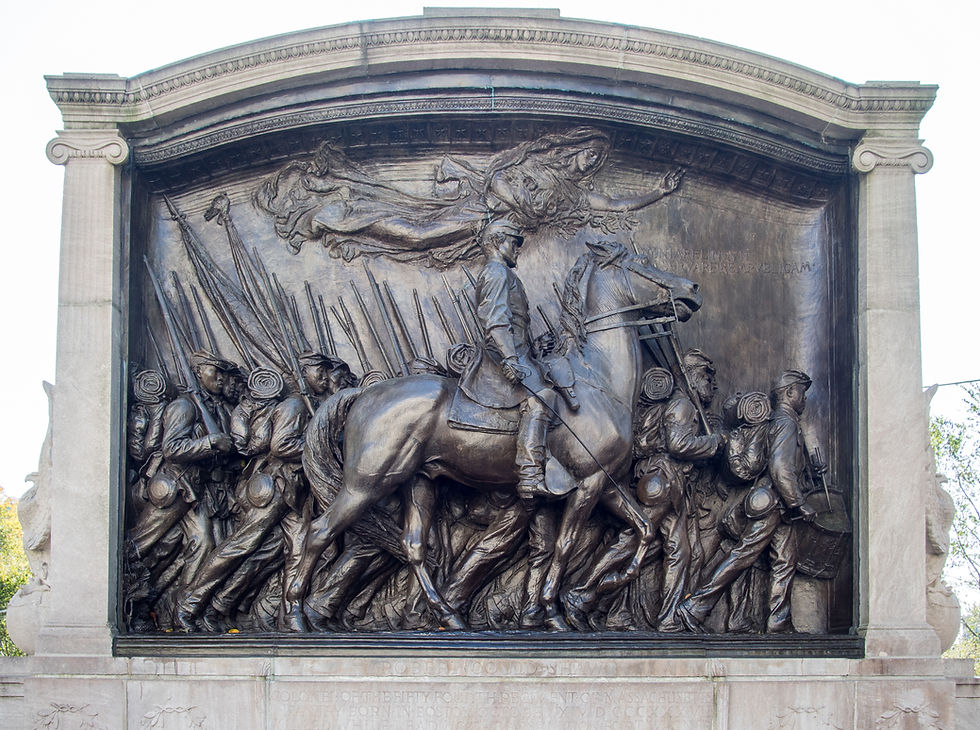
54th Regiment Memorial
Located on Boston Common, this striking memorial honors the 54th Massachusetts Infantry Regiment, one of the first African American units to fight for the Union during the Civil War. It’s a powerful reminder of Black soldiers’ bravery and sacrifice.

Louis and Harriet Hayden House
Once home to two formerly enslaved abolitionists, this house was a key Underground Railroad safe house. The Haydens famously protected freedom seekers and were willing to risk everything to keep them safe.
Many other homes along the trail belonged to Black leaders and activists. While most are private residences today, viewing them from the street still brings their stories to life.
How to Visit the Black Heritage Trail
One of the best things about the Black Heritage Trail is its flexibility. You can explore on your own using a free brochure or the National Park Service app, or join a free ranger-led tour offered seasonally, typically from late spring through early fall. Learn more about the history of New England's early African American communities at the Museum of African American History.
The trail is located near Boston Common and the Freedom Trail, making it easy to combine with other sightseeing. Plan about 1.5 to 2 hours if you want to walk at a relaxed pace and read the historical markers along the way.
Tips for First-Time Visitors and Families
Wear comfortable walking shoes, as Beacon Hill streets are historic and uneven. Since many sites are outdoors, this is a great activity on a mild weather day. The trail works especially well for older kids and teens who are learning U.S. history. Consider pairing the walk with time at Boston Common or a casual meal in Beacon Hill afterward.
Why You Should Add This to Your Boston Itinerary
The Black Heritage Trail offers a more complete picture of Boston’s past—one centered on resilience, leadership, and community strength. It’s educational without feeling overwhelming and deeply meaningful without being overly formal.
If you want to experience Boston beyond the usual tourist stops, this trail is absolutely worth adding to your itinerary.